Category: Business

business

CPI Nonviolent Crisis Intervention Training Blue CardCPI Nonviolent Crisis Intervention Training Blue Card

The CPI Nonviolent Crisis Intervention Training Blue Card is a vital certification program designed to equip professionals with the necessary skills to effectively manage and de-escalate crisis situations. CPI, which stands for Crisis Prevention Institute, is a well-respected organization that offers this training to a wide range of entities, including schools, healthcare facilities, and mental health institutions. The Blue Card signifies successful completion of the training program, indicating that an individual is proficient in CPI’s proven strategies for crisis intervention and prevention.

In this comprehensive training, participants learn about various relevant entities, such as individuals in crisis, caregivers, and bystanders, and how to interact with them in a nonviolent and respectful manner. LSI terms like behavior management, conflict resolution, and crisis intervention techniques are central to the curriculum, providing participants with a solid foundation in understanding and addressing challenging behaviors. Reference: CPI certification online CCG. Through interactive Workshops and role-playing exercises, participants gain hands-on experience in applying CPI’s Methods to real-life scenarios.

One of the key components of CPI’s approach is understanding and effectively managing escalation cycles. Participants learn to recognize early warning signs of potential crises and intervene proactively to prevent situations from escalating. By employing de-escalation techniques and utilizing verbal and nonverbal communication skills, individuals can defuse tension and promote a sense of safety and security for everyone involved. This proactive approach not only helps prevent crises but also fosters a positive environment conducive to growth and learning.

Variant terms such as crisis prevention training, CPI certification, and nonviolent crisis intervention are often used interchangeably with CPI Nonviolent Crisis Intervention Training Blue Card. These terms all refer to the same comprehensive program offered by CPI to equip professionals with the skills and strategies needed to effectively manage crisis situations. Whether it’s a teacher dealing with a disruptive student, a healthcare worker assisting an agitated patient, or a security guard handling a confrontational individual, the principles taught in this training are universally applicable and invaluable in various settings.

Brand names like CPI and Nonviolent Crisis Intervention are synonymous with excellence in crisis prevention and intervention training. CPI’s reputation as a leader in the field is built on decades of experience and research-backed methodologies. The Blue Card itself serves as a badge of honor, symbolizing an individual’s commitment to maintaining safety, dignity, and respect in challenging situations. Employers often seek out candidates with CPI certification, recognizing the value of having staff who are well-trained in crisis management and de-escalation techniques.

For example, consider a scenario in a psychiatric hospital where a patient becomes agitated and aggressive. A staff member trained in CPI’s methods can effectively intervene, using techniques learned in the training to calm the patient and prevent the situation from escalating into a full-blown crisis. By remaining calm, assertive, and empathetic, the staff member can address the patient’s underlying needs and concerns, promoting a positive outcome for both the patient and the staff.

In conclusion, the CPI Nonviolent Crisis Intervention Training Blue Card is an essential certification program for professionals working in environments where crisis situations may arise. By equipping participants with the knowledge and skills to recognize, prevent, and de-escalate crises, CPI’s training program promotes safety, dignity, and respect for all individuals involved. Whether it’s in a school, healthcare facility, or other institutional setting, CPI certification demonstrates a commitment to maintaining a safe and supportive environment for everyone.
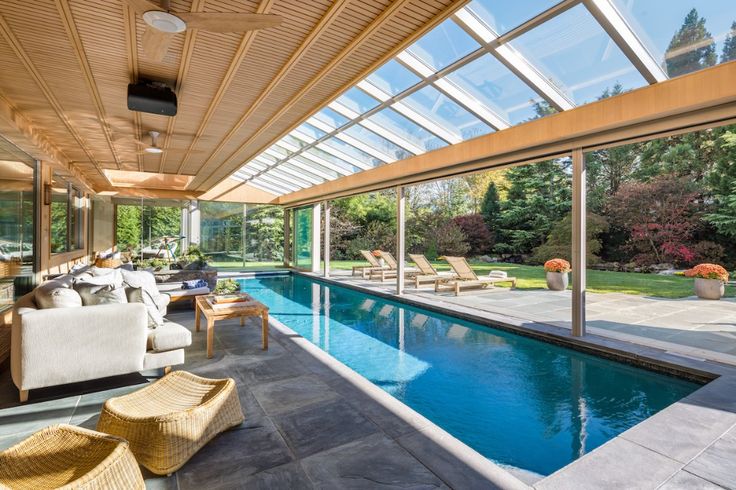
Rethinking Indoor Pool Design: A Guide to Elegance and FunctionalityRethinking Indoor Pool Design: A Guide to Elegance and Functionality

Indoor Pool Design

In the realm of home design, indoor pools stand as a pinnacle of luxury, combining aesthetics with the practical benefits of year-round use, privacy, and entertainment. With a multitude of design options available, from serene tropical havens to sleek lap pools, the journey to creating your perfect indoor pool space is filled with exciting possibilities. This guide distills essential insights and inspiration for those looking to integrate this luxurious feature into their homes Indoor Pool Ideas .

The Advantages of Indoor Pools

Year-Round Enjoyment and Privacy

The allure of an indoor pool is undeniable, offering a private oasis free from the whims of weather, alongside the convenience of any-time fitness and leisure. The indoor setting not only guarantees privacy but also reduces maintenance Costs and enhances property value, making it a wise investment for homeowners.

Diverse Design Options

With the choice of gunite, fiberglass, or vinyl-lined pools, customization options are virtually limitless. Whether your vision is a tropical paradise or a minimalist fitness haven, indoor pools can be tailored to fit any architectural style or Personal taste, ensuring a unique and personalized space.

Essentials of Indoor Pool Design

Creating an indoor pool demands careful planning and consideration of specific requirements such as heating, ventilation, and humidity control to ensure comfort, usability, and longevity. Early incorporation of pool design in new home Construction projects is ideal for achieving architectural harmony.

Construction and Cost

The construction of an indoor pool, including the enclosure, typically ranges from $165, 000 to $200, 000, influenced by design complexity, materials, and additional features like saunas or spas. Essential elements like climate control and moisture-resistant materials play a pivotal role in maintaining a comfortable and durable indoor pool environment.

Inspiring Indoor Pool Designs and Decor

Combining Elegance and Functionality

Luxury indoor pools can adopt various styles, from mid-century modern with a contemporary twist to rustic elegance that embraces natural elements. Key design aspects include mood lighting to set the ambiance, architectural features like domed ceilings for natural light and air flow, and the incorporation of natural elements like wood for warmth and coziness.

Features that Enhance Luxury

Additional luxuries such as spas, water fountains, and integrated sound systems elevate indoor pools from mere recreational spaces to personal retreats. The design can be further personalized with features like waterfalls and mood lighting to create an inviting atmosphere that complements the pool’s functionality.

Conclusion

Indoor pools are more than just luxurious additions to a home; they are versatile spaces for enjoyment, relaxation, and fitness, regardless of the season. With thoughtful planning and design, these pools can reflect the homeowner’s style while offering a private retreat for relaxation and entertainment. From the tranquility of rustic designs to the sleek appeal of modern luxury, indoor pools not only enhance living standards but also require a commitment to maintenance and care. As indoor pools become integral parts of homes, their design and functionality offer a sanctuary for those seeking the perfect balance of elegance and practicality.

FAQs

What design ideas are popular for indoor pools?

Creativity knows no bounds with indoor pool designs, ranging from lavish tropical settings to functional lap pools. The versatility in construction materials allows for a broad spectrum of styles to match any home aesthetic, offering a central relaxation and entertainment space.

How much does it cost to construct an indoor pool?

Construction costs for indoor pools start at approximately $165, 000 to $200, 000, varying with design complexity, materials used, and additional amenities like saunas or exercise areas.

What maintenance considerations exist for indoor pools?

Indoor pool maintenance focuses on climate control to prevent moisture-related damage and ensure comfort. Regular cleaning, along with the correct use of pool chemicals, is vital for maintaining the pool in prime condition.